Saints du jour
Vierge, martyre avec ses compagnons les saints Pierre, André et Paul à Lampsaque dans l'Hellespont (peut-être en 251 d'après le martyrologe romain). Au proconsul qui l'invitait à sacrifier à la déesse Vénus, Pierre répliqua: "Il est plus nécessaire et plus glorieux pour moi d'offrir le sacrifice de l'adoration au Dieu vivant et véritable." Denise apprenant que l'un des accusés, Nicomaque, venait d'apostasier, s'écria: "Il s'est perdu à jamais dans l'autre monde." Les gardes s'aperçurent ainsi que cette jeune fille de 16 ans était chrétienne. Elle fut arrêtée, torturée puis décapitée.Illustration: planche de saintetés - Pellerin imprimeur - Epinal - musée de l'Image
Données astronomiques
Dicton du jour
« À la saint Isidore, la dernière gelée. »
Citation du jour
Un pessimiste voit la difficulté dans chaque opportunité, un optimiste voit l'opportunité dans chaque difficulté.
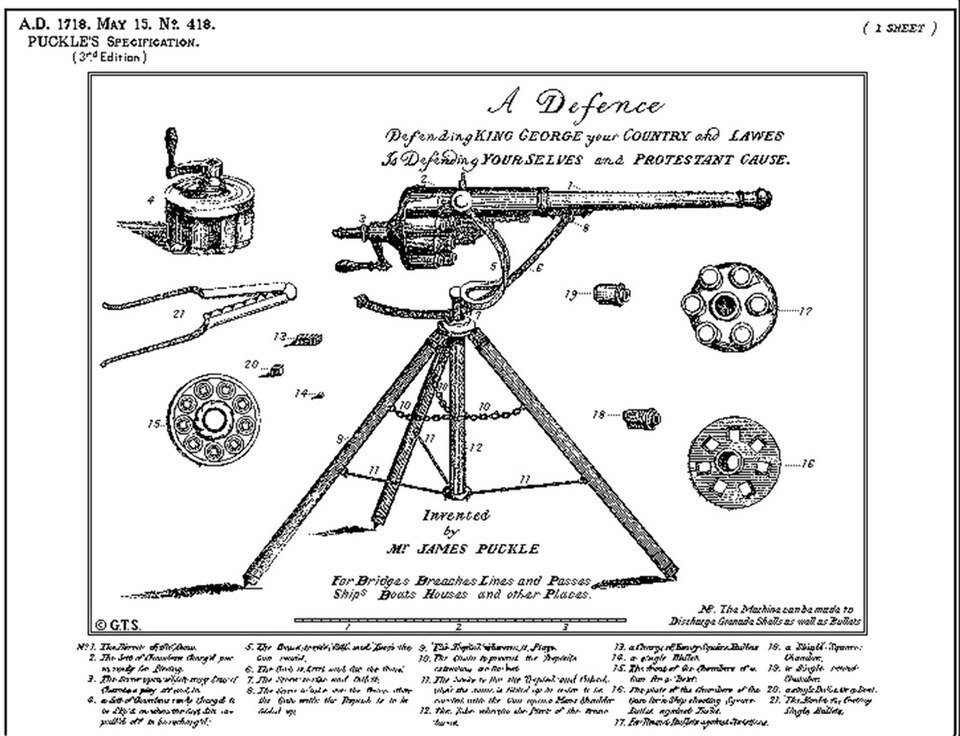
Le 15 mai dans l'histoire
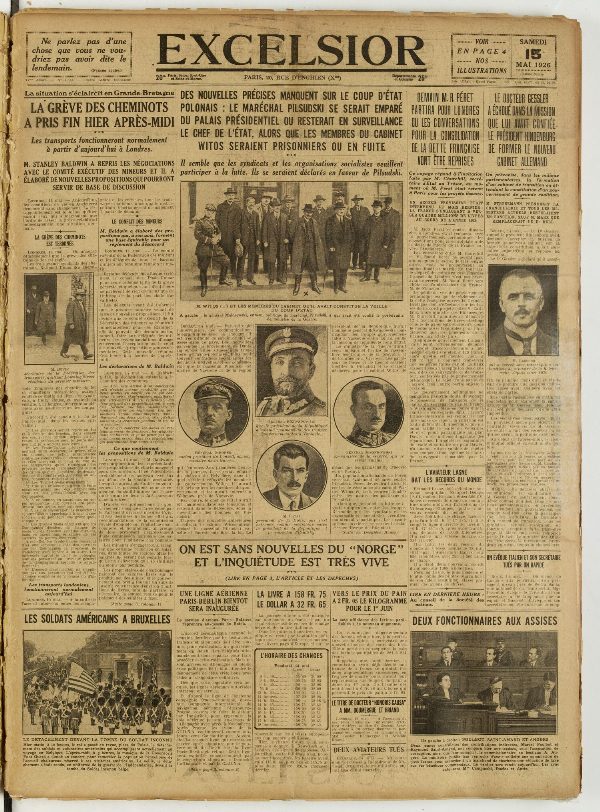
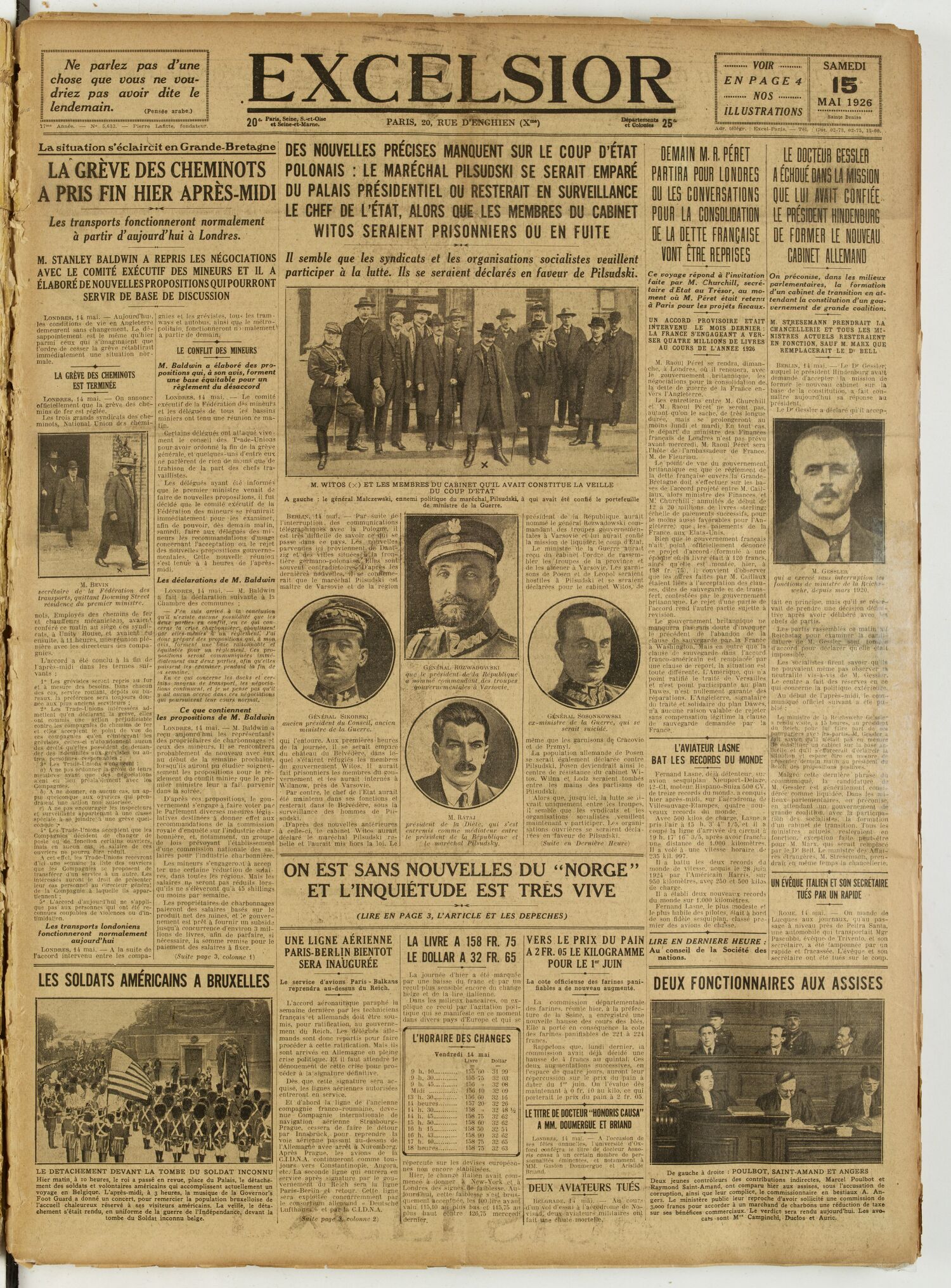
À la une le 15 mai 1926 — il y a 100 ans
Image astronomique du jour
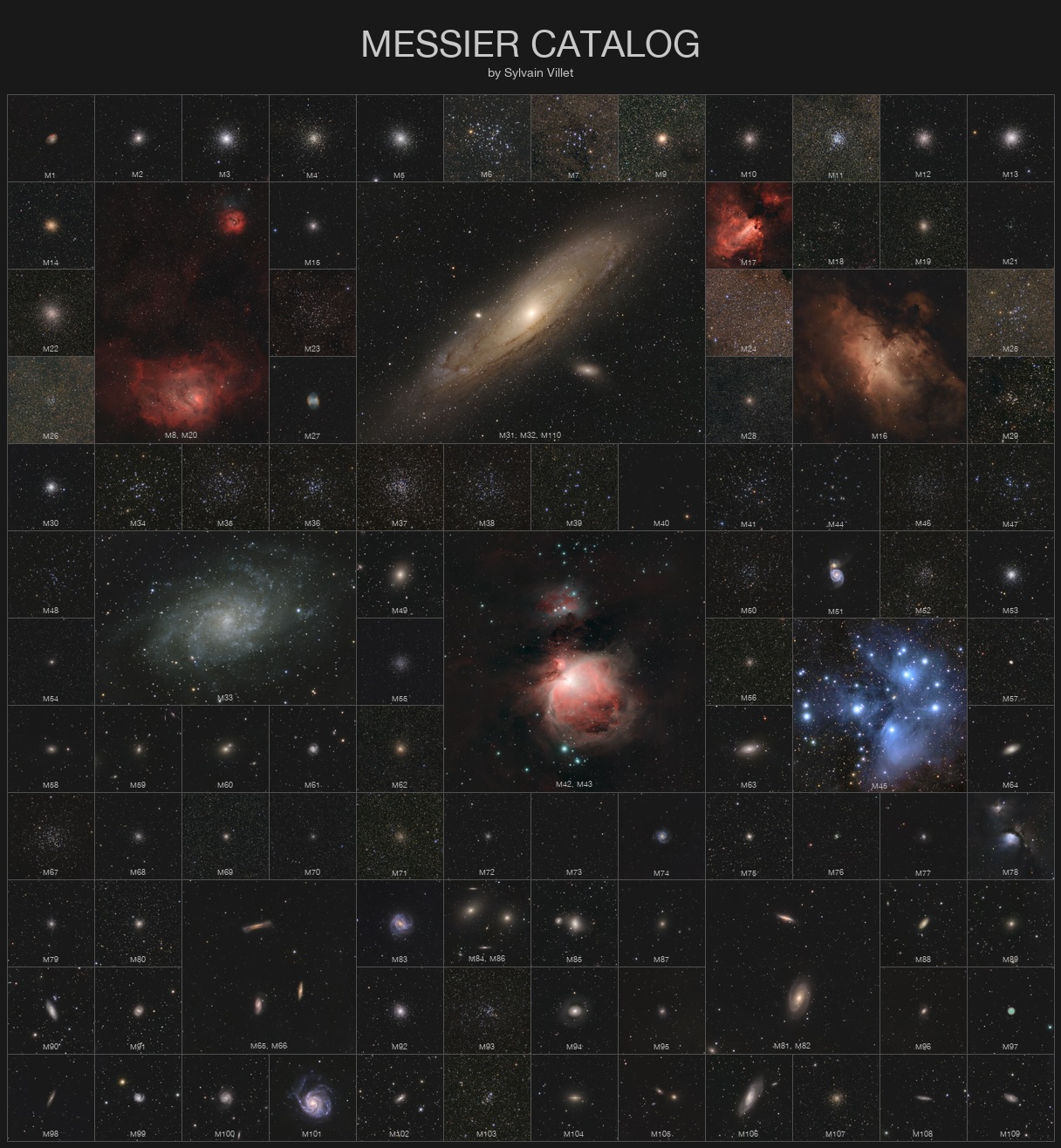
Messier Catalog at Uniform Scale
What are some of the most interesting astronomical objects you can see in the night sky? Armed with a good pair of binoculars or a small telescope, if you live in the Northern Hemisphere, you can look for the very popular objects in the Messier Catalog. Most of them, but not all, are also visible from the southern half of the Earth. The featured image shows all 110 objects in the catalog at uniform scale -- the same magnification. Charles Messier created the catalog in the 18th century. He was interested in comets, and his catalog was a list of known comet-like "objects to avoid" in the sky when observing or hunting for comets. The deep sky objects in the catalog include a supernova remnant (the Crab Nebula, M1), other galaxies (such as Andromeda, M31), nebulae (e.g. the Orion Nebula, M42, a star-forming region) and stellar clusters (such as the Pleiades, M45, a bright young open cluster).